
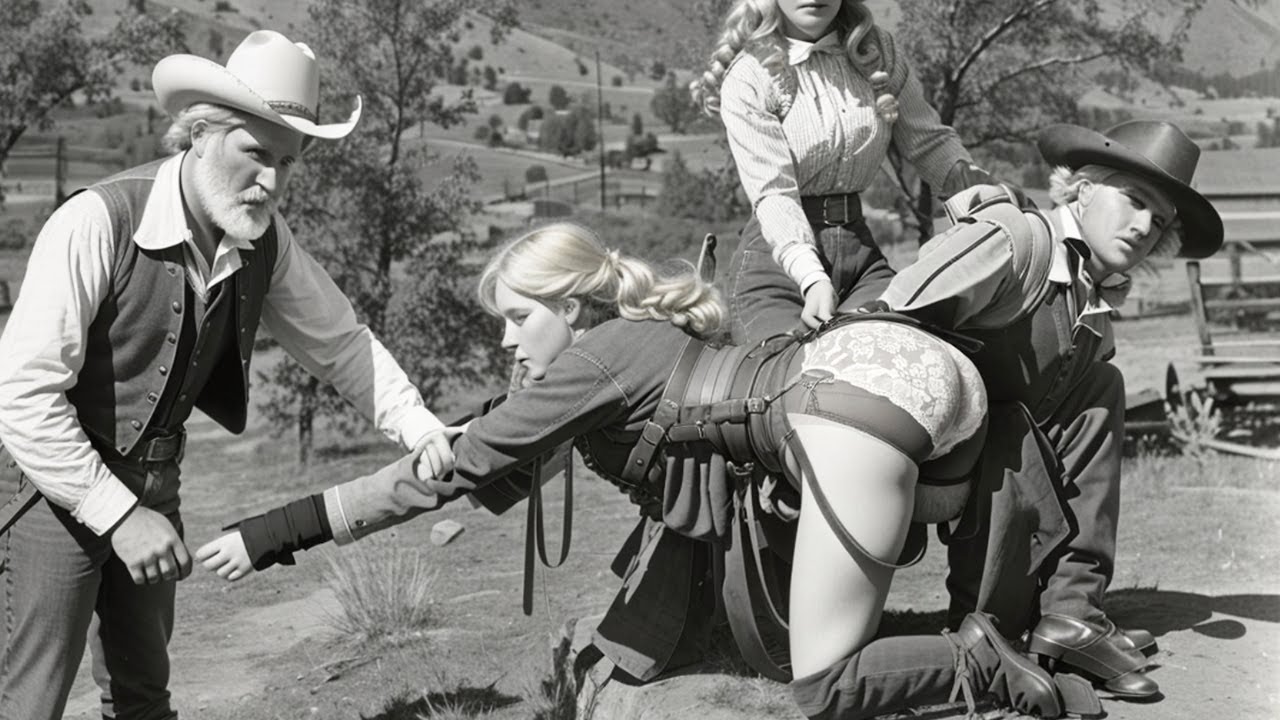
The period commonly referred to as the American “Wild West” represents a formative chapter in United States history. Stretching across the 19th century, this era was defined by rapid territorial expansion, limited infrastructure, and evolving systems of governance. In many frontier towns, formal courts, long-term prisons, and consistent law enforcement were either underdeveloped or entirely absent.
As a result, communities relied on improvised justice systems designed to preserve order in challenging and often isolated conditions. These methods, while strict by modern standards, reflected the realities of a society attempting to maintain stability before standardized legal frameworks were established. Examining these practices provides valuable insight into the historical development of criminal justice, law enforcement, and due process in the United States.
Below are notable punishment and discipline methods historically documented or associated with frontier justice, explained within their social and legal context.
1. Hanging as Capital Punishment
Hanging was one of the most widely used forms of capital punishment during the frontier era. It was typically reserved for severe crimes such as murder or large-scale theft. Over time, authorities attempted to standardize procedures to reduce prolonged suffering, reflecting early efforts to regulate executions rather than rely solely on mob action.
2. Public Shaming Practices
Public shaming served as a deterrent in small communities where reputation carried significant weight. Practices such as temporary confinement in public spaces or symbolic humiliation were intended to discourage misconduct without requiring long-term incarceration.
3. Criminal Branding
In cases involving repeat offenses, some jurisdictions used permanent physical marks to identify offenders. While controversial even at the time, branding was viewed as a means of preventing further crimes in areas lacking formal criminal records.
4. Forced Removal from Towns
Expelling individuals from settlements was a common response to disruptive behavior. In sparsely populated regions, removal from a town effectively separated individuals from economic opportunities and social networks, making it a powerful enforcement tool.
5. Military-Influenced Restraints
Frontier military posts often adapted disciplinary measures from established armed forces. These restraints were intended to maintain order among soldiers and prisoners and reflected broader military justice practices of the era.
6. Confinement Under Extreme Conditions
Some territorial prisons relied on minimal structures to hold inmates. Limited space, isolation, and environmental exposure were used as disciplinary measures prior to the introduction of standardized penitentiary designs.
7. Corporal Punishment
Physical punishment, including whipping, was legally sanctioned in certain territories. It was seen as a cost-effective alternative to incarceration and was typically administered under official supervision.
8. Wilderness Banishment
In frontier settlements, banishment often meant forcing individuals to leave with minimal resources. While not a formal sentence under modern law, it functioned as a method of removing perceived threats from small communities.
9. Restraint Devices
Various restraint tools were used to control prisoners and maintain order. These devices limited movement and speech and were commonly employed in jails lacking modern security features.
10. Extrajudicial Enforcement
Before judicial systems were fully established, communities sometimes relied on informal enforcement actions. These practices underscore the challenges of administering justice across vast and undeveloped territories.
11. Labor as Punishment
As infrastructure projects expanded, convicted individuals were often assigned to supervised labor. This practice contributed to public works while serving as a form of punishment.
12. Identifying Repeat Offenders
Visible markers and records were used to identify individuals with criminal histories. These measures predate modern identification systems and highlight early attempts at crime prevention.
13. Environmental Detention Methods
In remote areas, natural surroundings were sometimes used as temporary detention spaces. These methods reflected limited access to purpose-built facilities.
14. Chain Gangs and Public Works
Chain gangs became more common as territories transitioned into states. While controversial, they were part of early correctional labor programs tied to infrastructure development.
15. Suspension-Based Restraints
Some restraint methods relied on controlled suspension to immobilize prisoners. These techniques were designed to prevent escape rather than cause lasting injury.
16. Use of Force During Arrests
Physical force was sometimes used during arrests in an era before standardized policing procedures. Over time, reforms aimed to regulate these practices.
17. Solitary Confinement Cells
Early isolation cells were used to separate prisoners from others. These environments influenced later debates on prison reform and inmate welfare.
Conclusion
The justice practices of the Wild West were shaped by necessity, geography, and limited resources. While many methods appear severe by today’s standards, they played a role in the transition toward structured legal systems, professional law enforcement, and codified human rights. Studying these early practices offers important perspective on how modern criminal justice systems evolved from improvised beginnings into regulated institutions governed by law, accountability, and due process.